Houston blends big-city energy with neighborhood character, making it a magnet for visitors, new residents, and businesses. From the space program and global trade to a world-class food scene and expanding park system, the city is constantly evolving while staying rooted in its diverse communities.
A hub for space and innovation
The area around the space center remains a major draw for curious travelers and professionals. Interactive exhibits, mission control tours, and public events make the legacy of human spaceflight tangible. That mix of high-tech industry, research institutions, and a growing startup ecosystem keeps Houston a crossroads for aerospace, life sciences, and energy innovation.
Cultural districts that reward exploration
Houston’s Museum District offers concentrated access to outstanding art and science institutions, many within walking distance of one another. Neighborhoods like the Heights, Montrose, and Midtown bring independent galleries, vintage shops, nightlife, and a thriving LGBTQ+ culture. Smaller enclaves—vibrant culinary corridors, immigrant-run markets, and community art spaces—offer authentic experiences off the beaten path.
A food scene with real range
Houston’s food landscape reflects its cultural diversity. You’ll find late-night taco joints, acclaimed fine-dining spots, Vietnamese markets and pho shops clustered in and around the city’s international commercial districts, and inventive Southern and Gulf Coast cuisine from chefs putting local ingredients to new uses.
Food halls and farmers markets make it easy to sample many cuisines in a single afternoon.
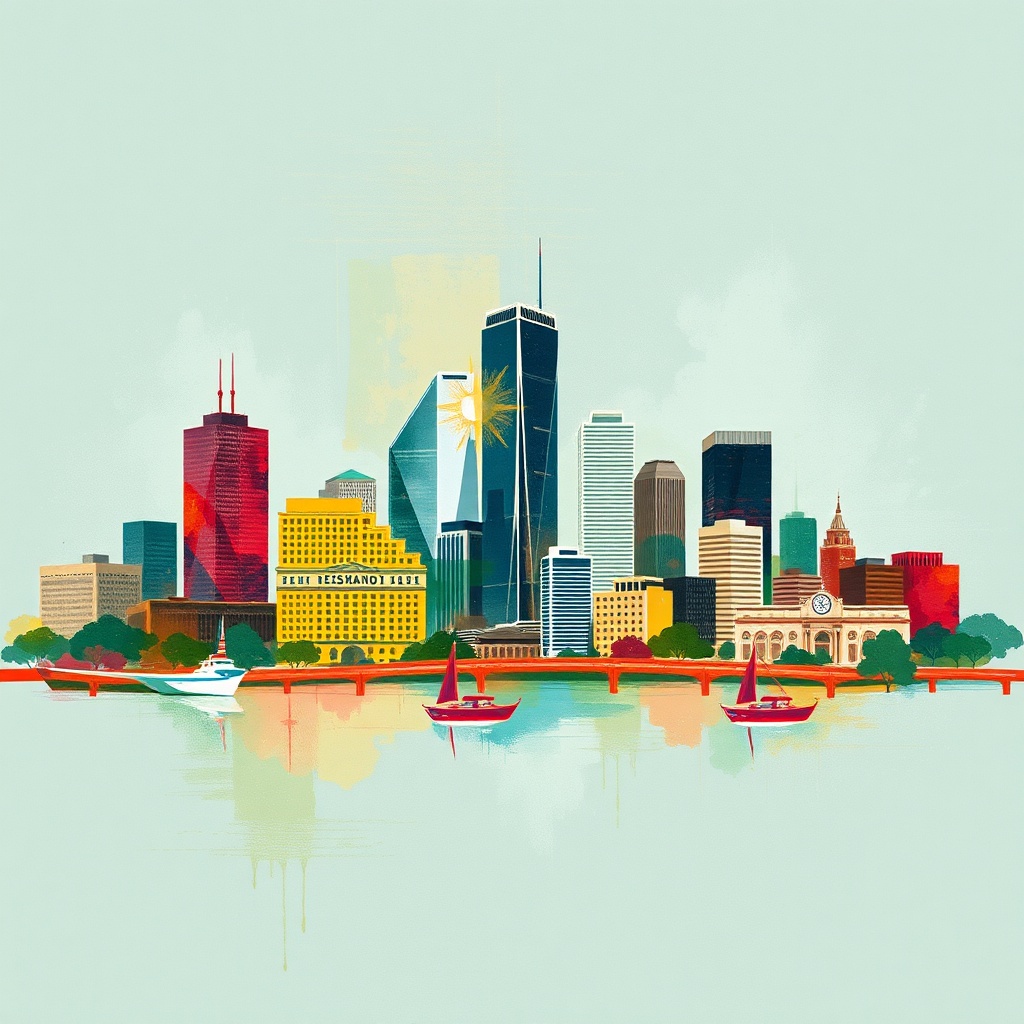
Parks, waterways, and resilience planning
Greenspace and waterway projects are reshaping how residents interact with the city. Expanded trail networks along bayous connect neighborhoods to larger parks, creating more opportunities for cycling, running, and paddling. At the same time, flood mitigation and resilience planning remain top priorities, with municipal and regional efforts focusing on natural floodplain restoration, infrastructure upgrades, and strategic buyouts to reduce future risk.
Port and commerce
The Port is a major economic engine, linking Houston to global trade. Its activity supports manufacturing, logistics, and related services throughout the region. That commercial strength complements a business climate that attracts corporate headquarters, regional offices, and a wide variety of service industries.
Getting around
Houston’s transportation picture includes an expanding light rail system, dense freeway networks, and increasing investment in bike lanes and pedestrian-friendly streets. Ride-hailing and micromobility options fill gaps, but traffic and sprawl are realities to plan for. Opting for neighborhood-centered exploration—walking, biking, or using transit—often yields a richer experience.
Practical tips for visitors and new residents
– Time outdoor activities for cooler mornings when the climate feels more comfortable.
– Explore by neighborhood rather than trying to cover the entire metro area in a single day.
– Reserve popular restaurants and attraction tours in advance during major events.
– Use park and bayou trails to see a different side of the city away from highways.
Why people keep discovering Houston
Houston’s strengths—economic diversity, cultural richness, and an unapologetically local approach to food and art—create a unique, approachable metropolis.
Whether you’re drawn by careers in energy or aerospace, the lure of an ever-expanding dining scene, or the chance to explore new urban parks and waterways, Houston continues to offer fresh reasons to visit, live, and invest time. Plan a trip with a neighborhood-focused itinerary to experience what makes the city distinctive and endlessly discoverable.