Houston is a city of reinvention — a sprawling metropolis where energy expertise, entrepreneurial grit, and cultural diversity intersect.
Long known as a global energy hub, the city is evolving into a broader innovation and resilience center that blends industry, tech, food, and the arts.
Energy and industry: adapting a legacy
Houston’s energy companies are diversifying beyond traditional oil and gas, adding solar, wind, hydrogen, carbon capture, and low-carbon fuels to their portfolios. The Port of Houston remains a strategic logistics gateway, supporting petrochemical exports while also enabling new supply chains for renewable components and alternative fuels.
Public-private partnerships and a growing cleantech cluster are creating opportunities for advanced manufacturing, research collaborations, and job retraining programs that prepare workers for roles in the low-carbon economy.
Innovation and startups
A vibrant startup ecosystem has taken root around incubators, university research, and specialized accelerators. Entrepreneurs are focusing on energytech, biotech, medtech, and enterprise software, attracting venture capital and corporate partnerships. Proximity to major hospitals, research institutions, and the Johnson Space Center fosters cross-disciplinary projects that combine engineering, life sciences, and aerospace know-how.
Neighborhood life and culture
Houston’s neighborhoods offer distinct personalities that suit different lifestyles: an eclectic art and dining scene, family-friendly enclaves, and bustling commercial corridors. Food culture remains a major draw — the city’s culinary landscape spans world-class barbecue, Tex-Mex, Vietnamese, Nigerian, and contemporary fine dining. Museums, theaters, and live music venues keep the cultural calendar full, while local festivals celebrate the city’s multicultural roots.
Parks, bayous, and outdoor living
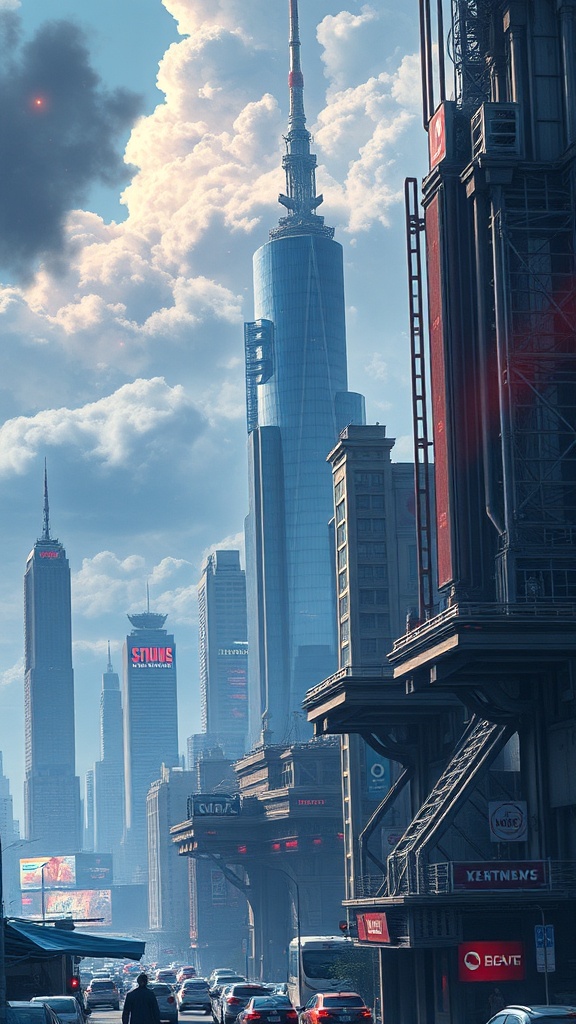
Houston’s urban landscape is anchored by an expanding network of greenways and parks that follow the bayous. The Bayou Greenways projects and other park initiatives link neighborhoods, provide flood-mitigation benefits, and create miles of trails for walking, running, and cycling. These green corridors support healthier neighborhoods and enhance property values, while new waterfront and park developments are designed with resilience in mind.
Resilience and climate adaptation
Facing a subtropical climate and periodic extreme storms, the city has prioritized resilience planning. Investments in stormwater infrastructure, updated building codes, and community-based mitigation projects aim to reduce future flood risk. Green infrastructure—rain gardens, bioswales, permeable pavement—complements traditional flood controls, while local initiatives focus on equitable resilience to protect vulnerable communities.
Getting around
Houston is car-oriented, but transit options are expanding. Light rail serves key corridors, while bus rapid transit projects and micro-mobility programs like bike lanes and e-scooters help bridge gaps. Ongoing investments aim to improve first- and last-mile access and reduce congestion, making it easier to explore the city’s neighborhoods without relying solely on a car.
Why Houston matters now
The city’s combination of industrial strength, research institutions, and cultural dynamism positions it to lead in several growth areas simultaneously: energy transformation, healthcare innovation, and space and aerospace activities. For residents and newcomers, that means a wide range of career opportunities, an affordable urban lifestyle relative to other major U.S. metros, and a richly varied quality of life.
Practical tips
– Explore by neighborhood: sample diverse food scenes in different districts to get a true feel for the city.
– Use greenways and trails for safe, scenic outdoor activity.
– Keep an eye on local workforce programs if you’re transitioning into energytech or cleantech roles.
– Check transit and micro-mobility options before planning routes outside the core.
Houston’s momentum is about adaptability — honoring an industrial past while building infrastructure, industries, and communities that are resilient, diverse, and forward-facing.