Houston is rapidly reshaping its identity—blending deep roots in energy and aerospace with a growing reputation for green urbanism, diverse cuisine, and cultural vibrancy. For visitors and residents alike, the city’s evolution offers tangible reasons to explore its neighborhoods, waterways, and innovation corridors.
Energy and innovation at scale
Houston’s legacy as an energy capital remains strong, but the focus has broadened. Traditional oil and gas expertise is being leveraged for low‑carbon solutions such as hydrogen production, carbon capture, and large‑scale electrification projects.
Corporate offices, research institutions, and startups are collaborating to commercialize cleaner fuels and industrial decarbonization technologies, positioning Houston as a testbed for next‑generation energy systems. The Port of Houston continues to anchor global trade while supporting energy logistics and supply‑chain modernization.
Space activity and STEM leadership
The city’s longstanding presence in aerospace is amplified by the concentration of mission control, research, and engineering talent clustered around the local space center. That ecosystem fuels STEM education and high‑skilled job growth, while private companies and public institutions collaborate on satellite, launch, and commercial space ventures. This dynamic creates spillover benefits for tech startups, advanced manufacturing, and workforce development initiatives across the region.
Green urbanism and flood resilience
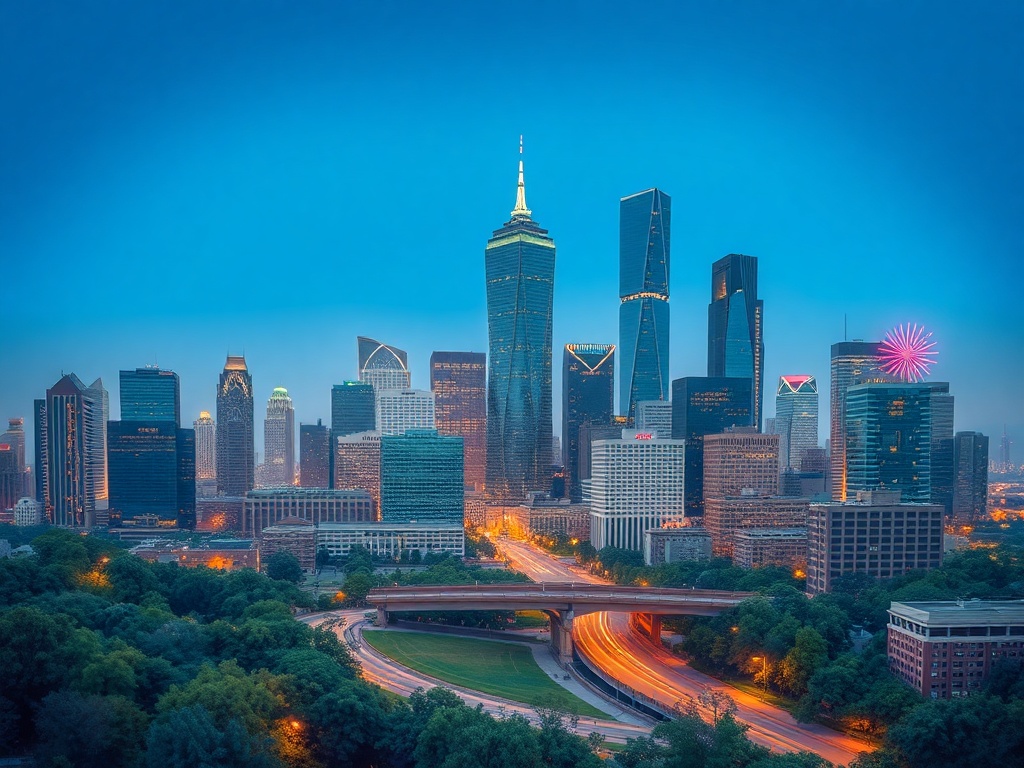
Houston’s bayous and parks are central to its reinvention.
Major investments in bayou restoration, greenway trails, and pocket parks are improving stormwater management while creating recreational corridors that link neighborhoods.
Projects designed to enhance flood resilience also expand access to outdoor amenities—long trails for running and biking, kayak launches, and shaded gathering spots that make urban nature more accessible. These public‑space improvements support health, mobility, and property values across the city.
Neighborhoods and cultural richness
Neighborhoods such as the Heights, Montrose, Midtown, and the Museum District offer distinct personalities—from historic bungalows and tree‑lined streets to contemporary condos and art scenes. Houston’s cultural fabric is woven from one of the nation’s most diverse populations, reflected in museums, theaters, festivals, and an unparalleled dining landscape. The city’s food scene ranges from high‑end Tex‑Mex and Gulf seafood to neighborhood taquerias and globally inspired eateries that frequently headline culinary coverage.
Transportation and connectivity
Efforts to expand transit options, add pedestrian infrastructure, and modernize regional mobility are underway.
Commuter patterns are shifting with greater emphasis on mixed‑use development and transit‑oriented projects that reduce reliance on single‑occupant vehicles. Ride‑sharing, micro‑mobility, and investment in dedicated bike lanes help connect neighborhoods and fill gaps in the transit network.
Why this matters for residents and investors
For residents, these trends translate into improved quality of life—more green space, better cultural offerings, and new career opportunities in energy, aero, and tech. For investors and entrepreneurs, Houston presents an attractive mix of affordable real estate compared with other major metros, deep industry clusters, and supportive public‑private partnerships. Neighborhood revitalization and infrastructure upgrades are creating pockets of strong long‑term demand.
Getting the most from a visit
Start with a bayou park or museum, sample diverse neighborhoods for food and nightlife, and explore waterfront or industrial‑heritage tours that reveal Houston’s economic backbone.
For professionals, industry conferences and public tech meetups provide a quick immersion into the local innovation ecosystem.
Houston’s combination of scale, diversity, and ongoing reinvention makes it a compelling city to watch and experience—where big‑city amenities meet bold experiments in energy, resilience, and urban living.