How Houston’s Bayou Greenways Are Reshaping Urban Life
Houston is widely known for its energy and cultural diversity, but another identity has quietly been taking shape: a city stitched together by water and green corridors. The bayou greenway network has become a cornerstone of urban life, bringing recreation, resilience, and stronger neighborhoods to a sprawling metropolitan landscape.
From park upgrades to continuous multiuse trails, the greenway network connects neighborhoods, draws people outdoors, and provides essential flood mitigation.
Unlike conventional parks that sit apart from daily life, these corridors run through the city’s fabric—linking residential areas, commercial districts, and cultural destinations.
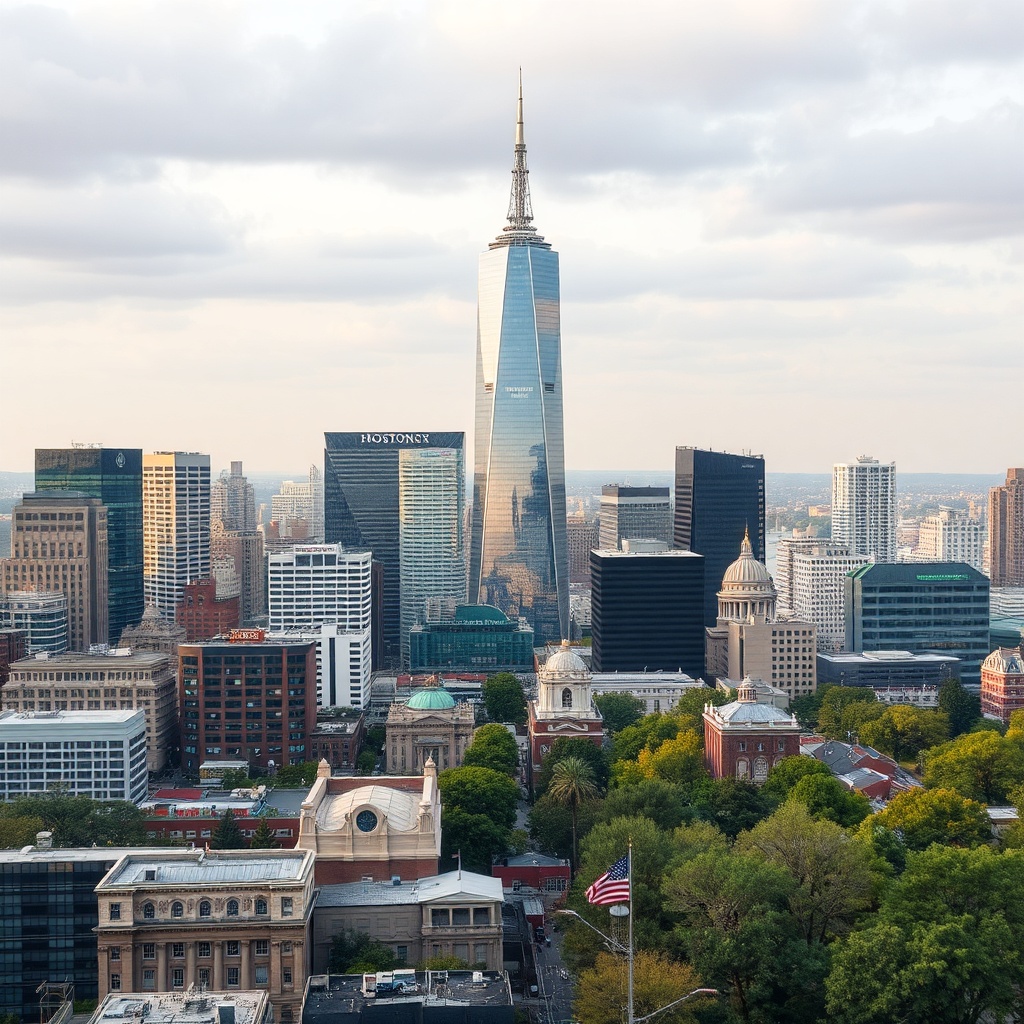
The result is more than scenic riverfronts; it’s a shift toward walkability and active transportation that helps reduce car trips and promotes healthier lifestyles.
Benefits beyond recreation
– Flood resilience: Many greenways are designed as living infrastructure—wetland restoration, detention areas, and native plantings that slow and absorb stormwater. These functional landscapes reduce downstream flooding while improving water quality and habitat.
– Health and wellness: Continuous trails encourage walking, running, and cycling as part of daily routines. Access to green space supports mental health, reduces stress, and increases opportunities for community fitness programs.
– Economic uplift: Parks and trails stimulate local economies by attracting visitors and supporting small businesses, cafes, and bike shops near trailheads.
They also help raise property values and encourage reinvestment in nearby neighborhoods.
– Wildlife habitat and biodiversity: Restored riparian areas provide important urban habitats for birds, pollinators, and native plants, making the city greener and more ecologically resilient.
What to do and where to go
Buffalo Bayou remains a flagship for urban riverfront recreation—kayaking, stand-up paddleboarding, and scenic walks offer skyline views and access to art installations and public spaces.
Smaller tributaries and neighborhood greenways provide quieter escapes ideal for family outings, dog walks, or a morning jog.
Bike-friendly routes connect to parks, farmers markets, and cultural districts, making it easy to plan a low‑stress day without driving.
Tips for residents and visitors
– Use multiuse trails for short commutes to cut down on car time and enjoy a healthier routine.
– Pack for the weather: lightweight, breathable fabrics and sun protection make outdoor time more comfortable.
– Support local stewardship: volunteer with neighborhood conservancies or participate in cleanups to keep trails safe and welcoming.
– Check event calendars for guided nature walks, art tours, and weekend markets that often take place along greenways.
Sustaining momentum
Long-term success depends on continued investment, smart land stewardship, and inclusive planning.
Prioritizing equitable access ensures that all neighborhoods—regardless of income—benefit from green space, active transportation, and flood protection. Collaborative partnerships among city departments, community groups, and private funders are key to expanding and maintaining the network.
The bayou greenway movement shows how thoughtful urban design can transform everyday life. By blending recreation, ecology, and infrastructure, these corridors are helping shape a healthier, more connected, and more resilient city—one trail at a time.