Houston’s energy makeover is one of the most consequential local stories for residents, workers, and businesses. Long known as a global oil-and-gas hub, the city is broadening its identity to include renewables, cleaner fuels, and deeper resilience — all while leveraging its massive industrial base, port infrastructure, and skilled workforce.
Why Houston matters
The region’s concentration of pipelines, refineries, petrochemical complexes, and shipping makes it a natural place to scale cleaner energy solutions. That same industrial ecosystem can accelerate deployment of large projects like offshore wind supply chains, utility-scale solar, hydrogen production, and carbon-management systems. When existing facilities are retrofit or paired with low-carbon technologies, emissions can drop more quickly than in places starting from scratch.
Key trends shaping the transition
– Diversification of projects: Expect a mix of renewables, hydrogen hubs, and carbon capture installations alongside traditional energy activity. This hybrid approach supports grid stability and helps keep industrial operations competitive.
– Supply-chain development: Local manufacturers and port facilities are increasingly positioning to serve offshore wind and large solar projects, creating new clusters of suppliers, fabrication yards, and logistics services.
– Skills evolution and workforce training: Programs from community colleges, trade groups, and industry partnerships focus on reskilling workers for renewable installations, turbine maintenance, and emerging fields like hydrogen electrolysis and carbon-transport infrastructure.
– Grid and resilience upgrades: As weather risks remain a priority, investments in grid modernization, microgrids, and distributed energy resources are gaining traction to improve reliability and reduce outage vulnerability.
Community and economic impacts
The transition can bring substantial benefits: diversified job opportunities beyond traditional oil-and-gas roles, increased local manufacturing, and improved air quality in neighborhoods near industrial corridors. However, communities need targeted workforce programs, equitable hiring initiatives, and engagement around project siting to ensure benefits reach historically underserved areas.
What residents and businesses can do
– Explore local incentive programs: Utilities and municipal programs often offer rebates or financing for home solar, energy-efficiency upgrades, and EV charging infrastructure.
– Look into training and apprenticeships: Local colleges and trade schools offer certifications that open doors to jobs in renewables and advanced energy services.
– Participate in public planning: Zoning, workforce development, and resilience plans evolve through public input.
Attend local meetings or track municipal announcements to stay informed.
– Consider energy resilience: For businesses, evaluating backup power options, on-site generation, or demand-response programs can reduce risk and operating costs.
Opportunities to watch
Watch developments around port modernization, large-scale renewable procurement by corporate buyers, and projects that link hydrogen and carbon management to existing industrial clusters. These initiatives often unlock private investment, attract suppliers, and catalyze new training pipelines.
Balancing growth and climate goals
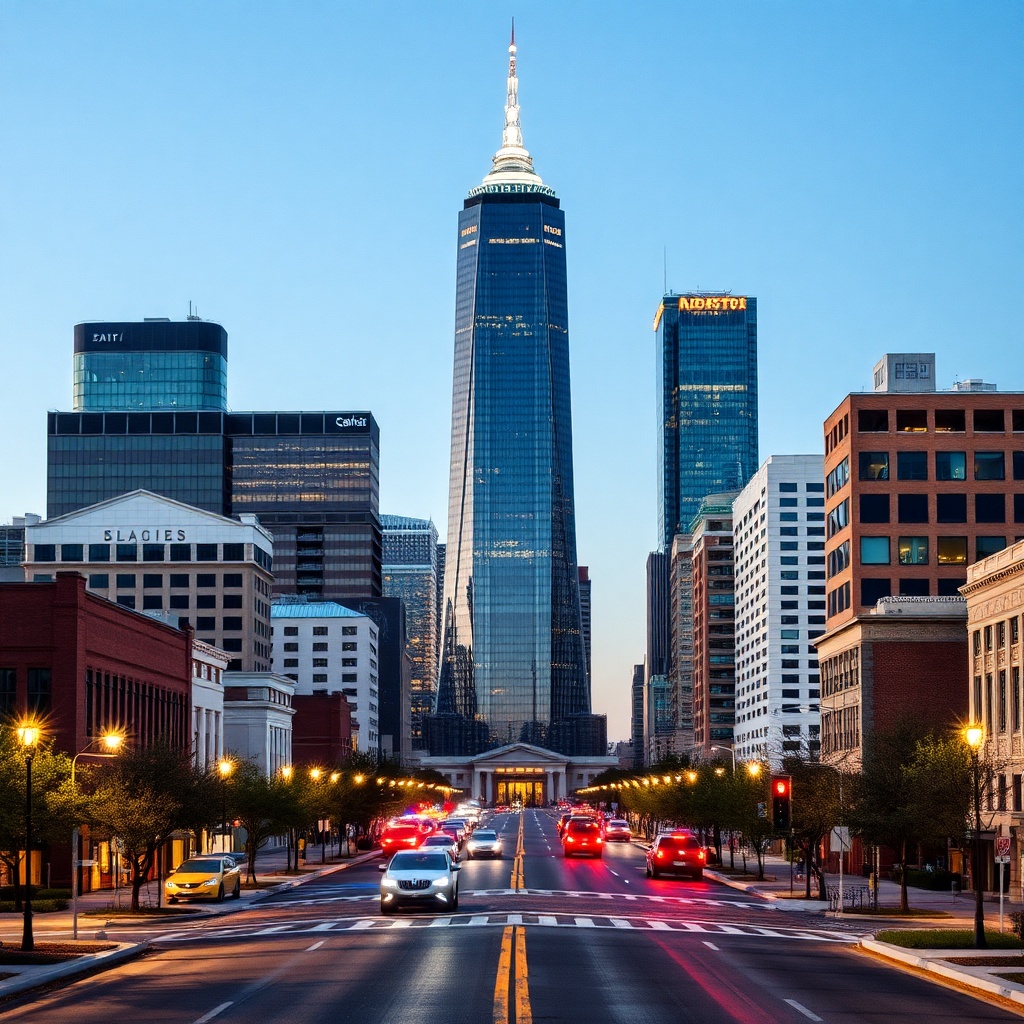
Sustaining momentum requires coordination across government, industry, and communities. Policies that support clean infrastructure financing, robust workforce pipelines, and community benefits agreements help align growth with public interest. Transparent planning and measured transition strategies can protect jobs while lowering emissions and improving regional resilience.
Houston’s unique combination of scale, expertise, and infrastructure means the city is well-positioned to lead in the next chapter of the energy economy. For residents, businesses, and workers, the practical steps taken today — from getting trained to supporting local projects — will shape how broadly the benefits are shared across neighborhoods and industries.