The oil industry is reshaping itself across operations, markets, and strategy as energy systems evolve and emissions scrutiny intensifies. Companies that balance immediate cash flow from conventional oil and gas with long-term investments in low-carbon solutions are positioning themselves to thrive amid shifting demand patterns and regulatory pressure.
Where demand is resilient
Demand growth for petrochemicals and aviation fuels remains a key driver for oil and gas. Petrochemicals feed plastics, fertilizers, and a wide range of industrial inputs, supporting steady feedstock needs even as transport electrifies. Aviation’s reliance on liquid fuels makes sustainable aviation fuel (SAF) an attractive product line for refiners and integrated companies, who are investing in SAF production pathways to capture higher-margin markets tied to decarbonization commitments.
Decarbonization strategies gaining traction
Integrated oil companies are pursuing a mix of strategies: carbon capture and storage (CCS) to reduce emissions from refineries and industrial hubs; low-carbon hydrogen production using natural gas with CCS or electrolysis powered by renewables; investment in biofuels and SAF; and methane emissions reduction across upstream operations. CCS projects, often paired with enhanced oil recovery or industrial clusters, offer a way to materially lower lifecycle emissions for certain products.
Methane monitoring and leak detection have become more sophisticated. Satellites, drones, and continuous monitoring sensors are used to find and fix leaks faster, reducing greenhouse-gas footprints and improving operational efficiency.
Reducing methane intensity is increasingly tied to market access and offtake agreements, especially with buyers focused on low-emission supply chains.
Capital allocation and portfolio reshaping
Capital discipline is a recurring theme.
Many companies prioritize returns and shareholder distributions while selectively funding low-carbon growth areas. Joint ventures and partnerships are common — spreading risk for CCS, hydrogen, and SAF projects while leveraging expertise across sectors.
Some operators are optimizing portfolios through divestments of higher-cost or higher-emission assets, redirecting capital to areas with clearer returns or strategic value.
Refining and petrochemical integration
Refiners are adapting units to process alternative feedstocks — renewable diesel, waste oils, and biobased inputs — alongside crude. Co-processing and upgrading facilities for SAF and renewable diesel are expanding, driven by regulatory incentives and corporate buyers seeking lower-carbon fuels.
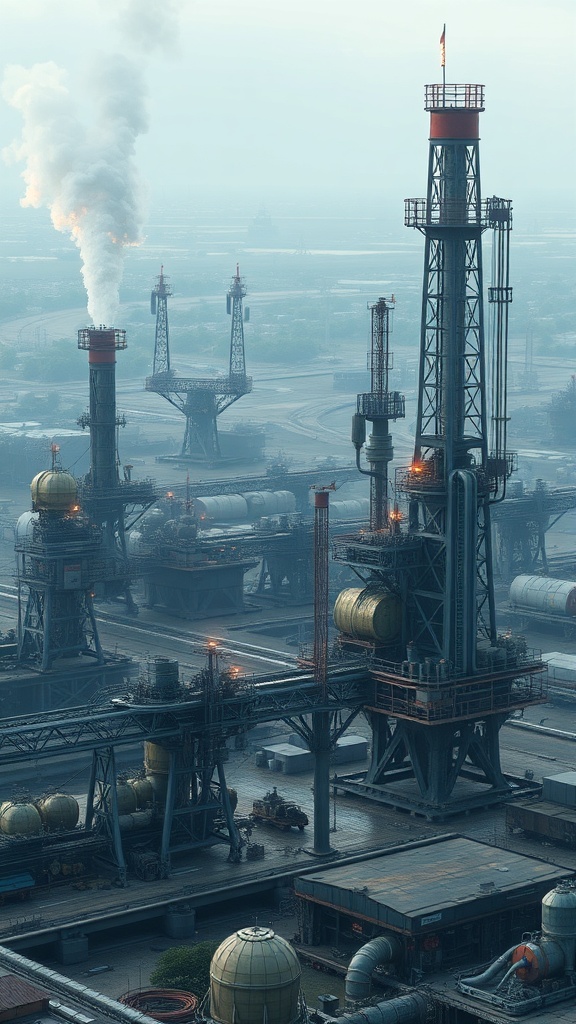
Integration between refining and petrochemical operations remains a profitable hedge: petrochemicals often deliver stronger margins and longer-term demand visibility.
Operational efficiency and digitalization
Digital transformation continues to lower production costs and improve safety. Predictive maintenance, digital twins, and automation reduce downtime on platforms and in refineries. Remote operations centers and advanced analytics help companies optimize asset performance while cutting emissions through better energy management.
Geopolitics and market volatility
Geopolitical shifts and supply disruptions still influence price volatility and investment decisions.
While energy security concerns prompt some nations to shore up domestic production, others accelerate diversification into renewables and storage. The interplay between national policy, international cooperation on emissions, and private-sector action shapes where and how investment flows.
The bottom line
The oil industry is not static; it’s adapting to a complex landscape where profitability, climate commitments, and evolving demand intersect. Success increasingly depends on flexible portfolios, disciplined capital allocation, and the ability to scale low-carbon products and technologies that meet both market demand and emissions expectations. Companies that can integrate operational excellence with credible decarbonization pathways stand the best chance of remaining competitive throughout the energy transition.