How the Oil Industry Is Navigating Decarbonization and Digital Transformation
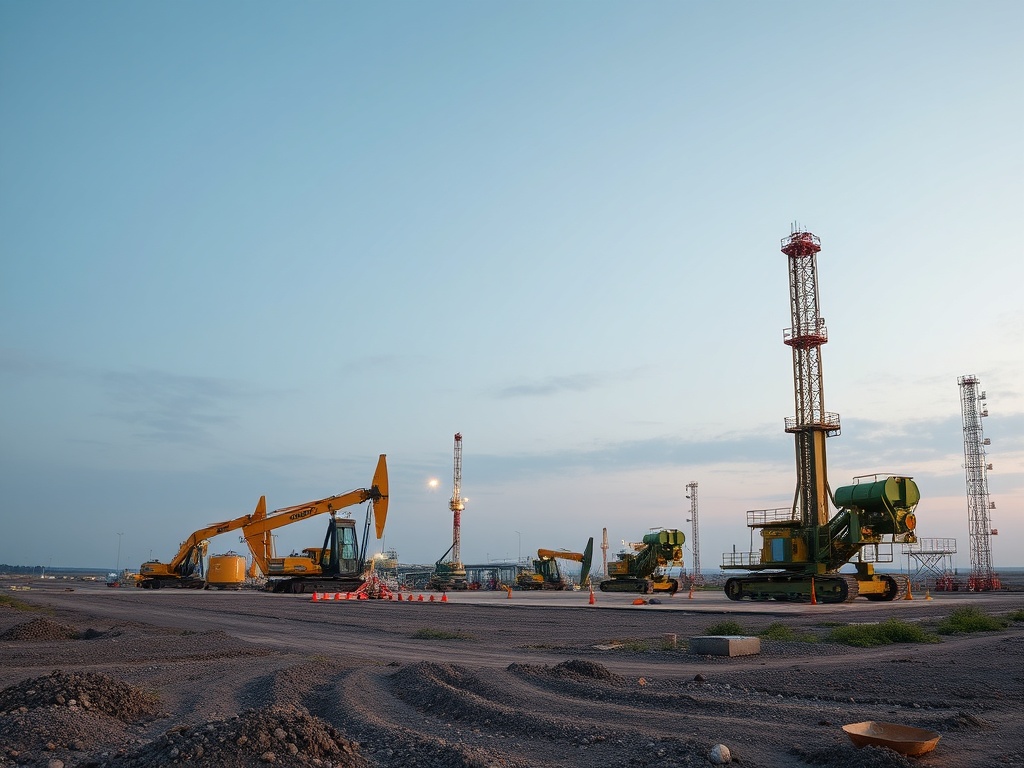
The oil industry is balancing two pressing demands: supplying reliable energy and lowering its environmental footprint.
Facing regulatory pressure, investor scrutiny, and growing competition from alternative fuels, operators are pursuing multiple strategies that reduce emissions, improve efficiency, and diversify revenue streams. The winners will be those that combine practical carbon-reduction measures with digital tools and new-market positioning.
Practical decarbonization steps
– Methane detection and mitigation: Rapid identification and repair of methane leaks delivers immediate emissions reductions and financial savings. Remote sensing — including aerial surveys, drones, and satellite monitoring — complements on-site inspections to prioritize fixes and verify performance.
– Electrification of operations: Replacing gas-fired equipment with grid or renewable-powered electric motors for pumps, compressors, and heating lowers onsite emissions and reduces fuel costs where low-carbon electricity is available.
– Carbon capture and storage (CCS): CCS projects at large emitters and integrated facilities help manage residual emissions from hard-to-electrify processes. Pairing CCS with low-carbon hydrogen production can create new low-emission product streams for industry customers.
– Low-carbon fuels and feedstocks: Producers are expanding into sustainable aviation fuels (SAF), bio-refined products, and hydrogen co-processing in refineries. Diversifying into higher-margin petrochemicals and circular feedstocks (like chemical recycling of plastics) hedges against demand shifts.
Digital transformation that pays off
Digital tools are central to squeezing more value from existing assets while cutting emissions.
Key areas delivering measurable returns include:
– Remote monitoring and automation: Continuous telemetry and automated controls reduce human exposure, optimize processes, and enable faster responses to abnormal events.
– Predictive maintenance: Condition-based monitoring and advanced analytics reduce unplanned downtime and extend equipment life, lowering replacement costs and waste.
– Process optimization: Digital twins and process modeling improve energy efficiency across refining and production operations, identifying opportunities for heat integration and reduced fuel consumption.
– Supply-chain visibility: Cloud-based platforms and advanced planning systems increase asset utilization, reduce inventory, and improve product routing to market.
Market dynamics and strategic diversification
While transport fuels remain core, petrochemicals and specialty products are growing sources of demand and margin. Integrated players are investing in chemical plants, recycling, and SAF supply chains to capture higher-value markets. Energy security concerns are also reshaping investment priorities: onshore manufacturing, diversified supply routes, and local content strategies strengthen resilience.
Operational and financial levers
Cost-effective decarbonization emphasizes measures with quick payback and durable impact. Energy-efficiency retrofits, process debottlenecking, and leak reduction often deliver both emissions and cost benefits. Strategic partnerships — between operators, utilities, and technology providers — accelerate deployment of renewables and CCS while sharing capital risk.
What leads to sustainable competitiveness
Success in the evolving energy landscape comes from pragmatic, integrated plans that combine emissions reductions, digital efficiency, and portfolio diversification.
Operators that adopt measurement-first approaches, prioritize interventions with clear returns, and pursue new markets like petrochemicals and low-carbon fuels position themselves to meet demand reliably and profitably while addressing stakeholder expectations for cleaner operations.
Continuous monitoring and targeted investments will keep assets productive and compliant as market conditions and policy frameworks evolve.