Houston is reshaping its identity around resilience, green space, and neighborhood-driven energy—making the city a case study for how dense, diverse metros adapt to growth and climate realities. From revitalized bayous and expanding parkways to a food scene that blends global flavors with Southern soul, Houston delivers a mix of practical planning and vibrant culture that’s worth exploring.
One of the most visible changes is the focus on water: not just managing storms, but integrating waterways into daily life.
Bayous that once served mainly as drainage corridors are being reimagined as linear parks and community connectors. Projects that combine pedestrian and bike trails with native landscaping, stormwater detention, and habitat restoration are improving flood resilience while creating inviting public spaces. These corridors also link neighborhoods, making it easier to commute by bike or on foot and encouraging outdoor recreation where concrete once dominated.
Green infrastructure moves beyond aesthetics.
Strategies like rain gardens, permeable paving, expanded tree canopies, and detention basins reduce runoff and lower neighborhood flood risk. Local governments, nonprofits, and residents often collaborate on pilot programs that retrofit streets and public spaces to better absorb heavy rain. Property buyouts and voluntary elevation programs are also part of a broader toolkit used where repeated flooding undermines long-term habitability, reflecting a pragmatic balance between preservation and planned retreat.
Houston’s economy continues to pivot: while energy remains a major force, investments in renewables, engineering innovation, and technology startups are gaining momentum. This diversification supports new job clusters and helps the region remain competitive as global markets and policies shift. The city’s workforce benefits from partnerships between community colleges, universities, and industry, emphasizing training in resilient construction, water management, and advanced manufacturing.
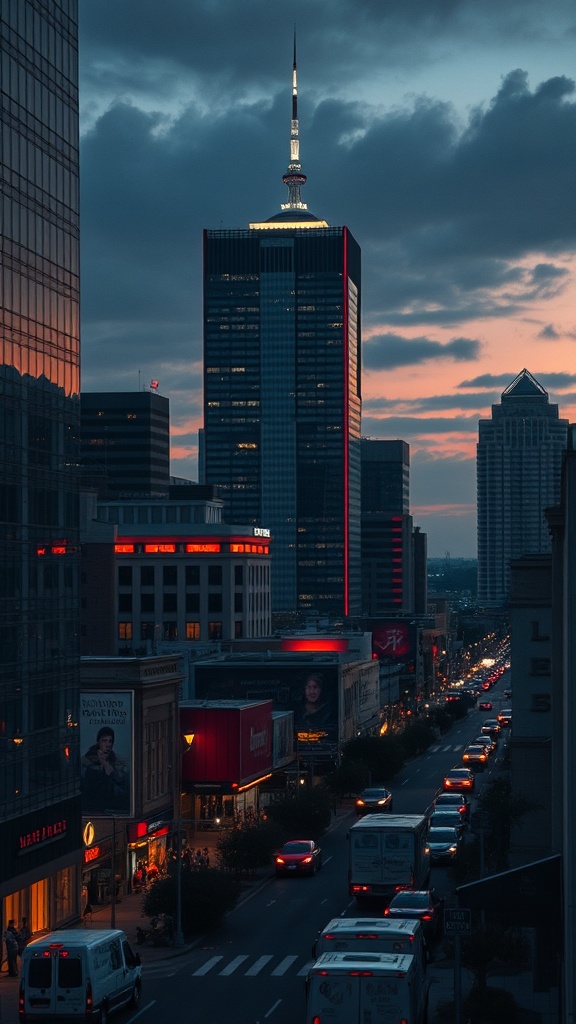
Culturally, Houston’s neighborhoods offer layered experiences. Museums and cultural districts host world-class exhibits and performances, while local galleries and community-led arts initiatives foster creative experimentation. Neighborhoods known for walkability and mixed-use development encourage independent shops, diverse dining options, and year-round festivals that draw locals and visitors alike.
Practical tips for residents and visitors: plan outdoor activities for early morning or late afternoon to avoid peak heat, pick shaded routes when biking, and always carry water.
If exploring waterfront trails or paddling on the bayou, check local advisories after heavy rain—river levels and closures can change quickly. When choosing a place to live, research neighborhood flood histories and available mitigation measures, and look for properties with elevated design or access to community resilience resources.
Community engagement is a throughline in Houston’s transformation. Neighborhood associations, faith groups, and local businesses play a central role in planning, whether that’s organizing cleanups, helping fund neighborhood greenways, or advocating for equitable infrastructure investment. This grassroots energy keeps projects grounded in daily needs and helps ensure that benefits reach a broad spectrum of residents.
Exploring Houston now means seeing a city that’s building practical resilience while keeping its lively cultural pulse intact. Whether you’re biking along a revitalized bayou, sampling cuisine that reflects the city’s global roots, or watching new neighborhoods evolve, Houston offers a compelling example of urban adaptation and community-driven change.