Houston is reshaping how a major city lives with water.
Once defined by sprawling development and a reputation for flooding, the region is now a model for integrating green infrastructure, bayou restoration, and community-led resilience. The result is more than stormwater management — it’s better parks, healthier ecosystems, and a stronger sense of place.
Why green infrastructure matters in Houston
Green infrastructure uses natural systems to manage rain where it falls. For Houston, that means restoring bayous, expanding urban tree canopy, installing rain gardens, and using permeable pavement to reduce runoff. These approaches lower flood risk, cool neighborhoods, and filter pollutants before they reach waterways. They also create usable public space that invites walking, biking, and outdoor recreation.
Bayou-focused revitalization
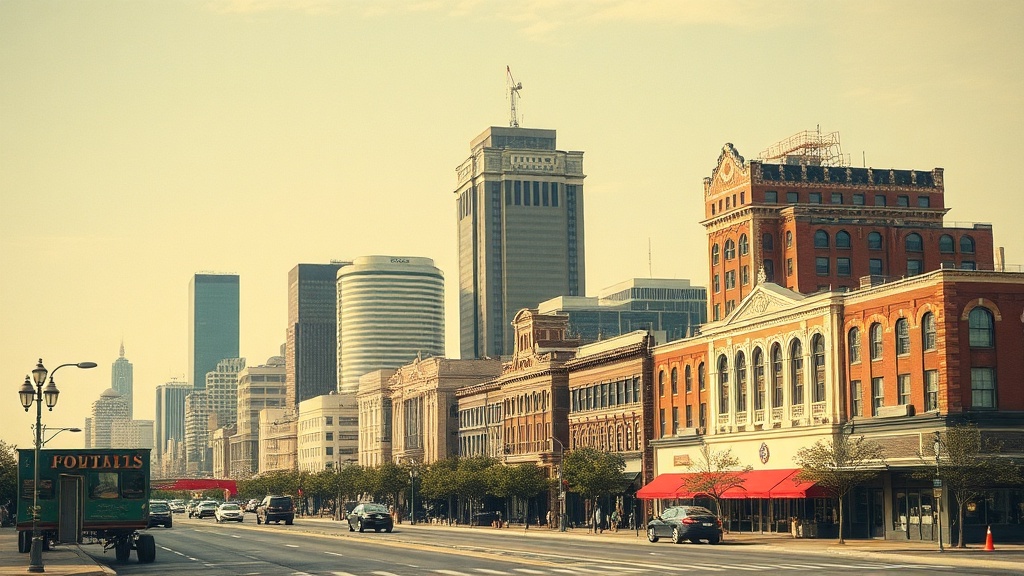
Large-scale bayou projects are at the heart of the shift. Restored banks, native plantings, and enhanced trails connect neighborhoods and support biodiversity. Transformations along major waterways have turned neglected corridors into destinations for families and fitness enthusiasts while improving water quality and habitat for birds, fish, and pollinators.
Benefits beyond flood control
The payoffs of green infrastructure extend beyond storm resilience. Urban greening helps mitigate the heat-island effect, cutting local temperatures and lowering energy use. Expanded trails and parks improve public health by encouraging active lifestyles. Property values near well-maintained greenways often rise, and local businesses benefit from increased foot traffic. Importantly, nature-based solutions are scalable — small interventions in neighborhoods add up to measurable improvements across the metro area.
Community involvement and equity
Equitable access to green space is a growing focus.
Community-led planning ensures that investments reach neighborhoods that need them most. Volunteer planting days, local stewardship groups, and partnerships with civic organizations are common ways residents contribute. Public input into design decisions helps make projects culturally relevant and ensures they serve daily needs — from safe pedestrian routes to spaces for community events.
What residents can do
– Support local projects: Attend public meetings or comment on city planning proposals to influence prioritization of green infrastructure.
– Volunteer: Join neighborhood cleanups, tree plantings, or bayou stewardship groups.
– Make small changes at home: Install rain barrels, create a rain garden, use native plants to reduce irrigation needs, and choose permeable surfaces when possible.
– Advocate for policy: Encourage adoption of forward-looking stormwater rules, incentives for green roofs, and funding for park maintenance.
Challenges and the path forward
Implementation still faces hurdles: funding constraints, coordination among agencies, and retrofitting built neighborhoods are complex tasks. Yet the momentum behind nature-based solutions, combined with growing public awareness and community activism, points toward continued progress. Integrating engineered and natural approaches — such as detention basins that double as parks — offers pragmatic, multipurpose strategies.
Houston’s evolving approach to water and green space is changing how people experience the city. By investing in resilient design and inclusive planning, neighborhoods gain safer streets, cleaner waterways, and more opportunities for outdoor life. For residents who want to see change on the ground, participation and small-scale action remain powerful forces for transformation.