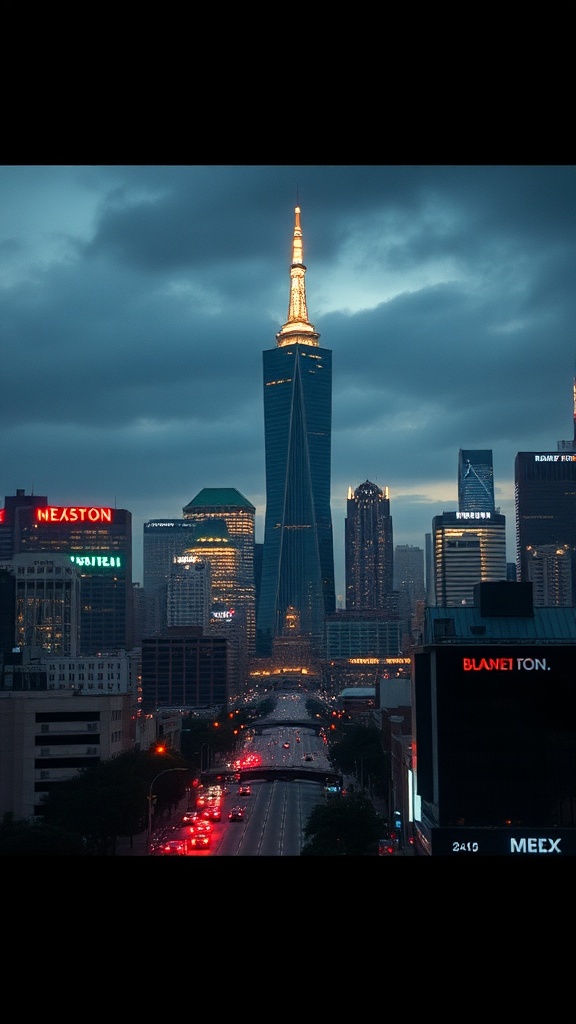
Houston keeps drawing attention for its blend of big-city opportunity, cultural diversity, and surprising green space. Whether you’re visiting, relocating, or exploring neighborhoods close to home, the city’s evolution makes it a compelling place to watch and experience.
Economic diversity and innovation
Houston remains a global energy hub while also accelerating diversification into clean energy, healthcare, and space technology. Traditional strengths—oil and petrochemical refining, logistics tied to one of the busiest ports in the country, and a world-class medical center—are complemented by growing investment in renewable energy, carbon management, and aerospace startups. That mix creates career opportunities across technical, professional, and creative fields, and supports a bustling small-business scene.
Cultural life and neighborhoods
From galleries and theaters to block parties and food festivals, Houston’s cultural calendar is lively and varied. The Museum District offers concentrations of art, history, and science institutions within walkable distance. Montrose and the Heights maintain their reputation for eclectic shops, coffee roasters, and independent bookstores. Midtown, EaDo, and Rice Village are go-to neighborhoods for nightlife and dining, while quieter residential enclaves around River Oaks and West University provide leafy retreats still close to urban amenities.
A truly international food scene
Houston’s food scene is a destination unto itself. Expect everything from world-class barbecue and Tex-Mex to authentic Vietnamese, Nigerian, Indian, and Latin American cuisines—often from family-run spots that earn local loyal followings. Food halls and neighborhood markets make it easy to taste many flavors in one visit.
For food-focused travelers, following neighborhood recommendations yields better discoveries than sticking to tourist lists.
Green space, waterways, and active life
The bayous and parks network sets Houston apart among large American cities. Bayou Greenways and connected trails offer miles of biking, running, and family-friendly paths that link parks, dog runs, and waterfront viewpoints. Buffalo Bayou Park is a popular urban escape with kayak launches, public art, and skyline views. For a quieter outdoor experience, smaller neighborhood parks and community gardens are scattered across the city, ideal for morning walks or weekend picnics.
Space, research, and learning
Houston’s ties to space exploration and scientific research attract visitors and professionals alike. Public-facing centers provide educational exhibits and opportunities to learn about human spaceflight, while research institutions and universities foster innovation in engineering, life sciences, and robotics. That ecosystem supports a steady stream of conferences, community programs, and STEM outreach initiatives.
Practical tips for visitors and new residents
– Expect driving to be the most convenient way to get around, though ride-share and growing transit options help in core neighborhoods.
– Plan visits to museums, space centers, and popular restaurants during off-peak hours to avoid long lines.
– Explore neighborhoods on foot or by bike where safe; many pockets of the city are more walkable than they appear from the highway.
– Check local event calendars—markets, outdoor concerts, and community festivals are easy ways to connect with the city’s culture.
Why Houston matters
Houston stands out for its ability to juggle scale and neighborhood character: major economic engines operate alongside tight-knit communities and a deep culinary identity.
For people drawn to opportunity, variety, and a pragmatic, get-things-done spirit, Houston offers both the resources of a large metropolis and the surprising warmth of a city built by neighbors helping neighbors. Consider it a place where innovation meets hospitality—and where every neighborhood has a story worth exploring.
